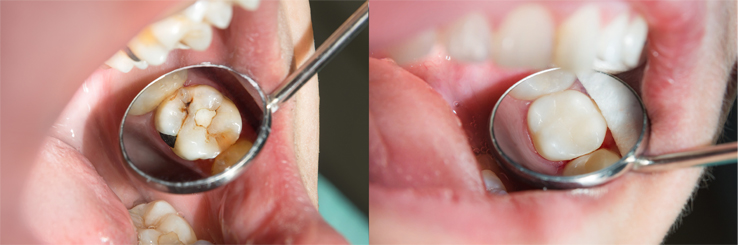
The Effects of Smoking and Vaping on Oral Health | Fayetteville, GA

woman with dental anxiety

Many people turn to vaping believing it’s a safer alternative to smoking, but when it comes to oral health, the risks remain significant. While vaping may eliminate some of the harmful byproducts of traditional cigarettes, it still poses dangers to your teeth, gums, and overall oral environment. Understanding these risks can help you make informed choices about your oral health.

One of the most immediate effects of vaping is dry mouth. Nicotine and other ingredients in e-liquids reduce saliva production, which is essential for neutralizing acids, washing away food particles, and protecting enamel. Without adequate saliva, bacteria thrive, increasing the risk of cavities, plaque buildup, and gum inflammation. Some research also suggests that vaping may disrupt the balance of oral bacteria, creating a higher likelihood of infection.

Vaping also affects gum health. Nicotine constricts blood vessels, limiting circulation to the gums and making early warning signs of gum disease—like bleeding—harder to detect. Over time, this can allow gingivitis or more serious periodontal disease to develop unnoticed. Additionally, acids and flavoring chemicals in vaping liquids can irritate soft tissues and contribute to enamel erosion.

While vaping carries serious risks, traditional smoking remains even more damaging. Tobacco smoke impairs blood flow to the gums, weakens the immune response, and slows healing. Smokers are more likely to experience gum disease, tooth loss, delayed recovery after dental procedures, and oral cancer. Chronic smoking also leads to bad breath, staining, and a diminished sense of taste and smell.

It’s important to recognize that vaping is not a harmless substitute for smoking. Although it may reduce exposure to certain toxins, e-cigarettes still contribute to gum disease, tooth decay, and oral tissue irritation. Long-term studies are ongoing, but the current evidence is clear: vaping has real oral health consequences.

The best way to protect your smile is to avoid both smoking and vaping. Regular dental checkups, thorough oral hygiene, and open conversations with your dentist can help monitor changes and prevent damage. For those trying to quit nicotine, dental professionals can offer guidance, support, and strategies to reduce oral health risks.

To schedule an appointment or learn more about the beautiful smiles Dr. Sukari McMiller has created visit us online today at www.dreamworksdentalcare.com.

Dr. Sukari McMiller proudly serves patients from Fayetteville and all surrounding areas.

Dehydration and Tooth Decay | Fayetteville, GA

Young woman smiling with perfect dental health

Most people associate dehydration with fatigue, headaches, or dry skin, but its effects on oral health are often overlooked. Your mouth depends on adequate hydration to function properly, and when water intake is insufficient, teeth and gums can slowly suffer—sometimes without noticeable symptoms. Because the damage is gradual, dehydration can quietly harm your smile before you even realize it.

One of the primary ways dehydration affects oral health is through reduced saliva production. Saliva is critical for protecting teeth: it washes away food particles, neutralizes acids produced by bacteria, and delivers minerals that strengthen enamel. When the body is dehydrated, saliva flow decreases, leading to dry mouth. Without this natural defense, acids linger longer on teeth, increasing the risk of cavities and enamel erosion. Dry environments also allow harmful bacteria to thrive, accelerating plaque buildup and decay.

Gum health is also impacted by chronic dehydration. Dry gums are more prone to irritation, inflammation, and infection, which can contribute to conditions like gingivitis or periodontitis. Early warning signs include persistent bad breath, sticky or dry-feeling gums, and difficulty swallowing. Bad breath is often one of the first noticeable indicators, as the mouth’s natural cleansing mechanism—saliva—is reduced.

Certain habits and lifestyles can make dehydration-related dental problems worse. High caffeine or alcohol intake, intense exercise, mouth breathing, and some medications all decrease saliva flow. People in dry climates or physically demanding jobs may be particularly vulnerable if they don’t actively replenish fluids.

Fortunately, preventing dehydration-related damage is often simple. Drinking water consistently throughout the day helps maintain saliva flow and overall oral health. Rinsing with water after meals and consuming water-rich foods like fruits and vegetables further support hydration. Limiting sugary, acidic, and caffeinated drinks can also reduce stress on teeth.

If dry mouth persists despite proper hydration, consulting a dentist is important. Professionals can identify underlying causes and recommend solutions such as saliva substitutes, fluoride treatments, or adjusted oral care routines. By understanding how dehydration silently affects your teeth and gums—and taking proactive steps—you can protect your smile and maintain long-term oral health.

To schedule an appointment or learn more about the beautiful smiles Dr. Sukari McMiller has created visit us online today at www.dreamworksdentalcare.com.

Dr. Sukari McMiller proudly serves patients from Fayetteville and all surrounding areas.

What to Know About Tooth Enamel | Fayetteville, GA

girl eating an apple

A healthy smile depends heavily on strong tooth enamel, even though it often goes unnoticed in daily oral care. Enamel is the thin, protective outer coating of your teeth that shields them from bacteria, acids, and physical damage caused by chewing. While it is the hardest substance in the human body, enamel is not immune to wear and tear, and once it is lost, it cannot grow back.

Many everyday habits can gradually weaken enamel. Frequent exposure to acidic foods and drinks such as soda, citrus fruits, and sports beverages can erode enamel over time. Teeth grinding, aggressive brushing, and poor oral hygiene also contribute to enamel breakdown. In some cases, medical conditions like acid reflux can increase acid exposure in the mouth, accelerating enamel erosion without obvious symptoms.

Because enamel does not regenerate, strengthening and protecting what you have is essential. Fluoride plays a key role by helping remineralize enamel and making it more resistant to acid attacks. Brushing with fluoride toothpaste and drinking fluoridated water are simple but effective ways to support enamel health. A diet rich in calcium and phosphate—found in foods like dairy products, leafy greens, nuts, and fish—also helps maintain strong enamel. Using a soft-bristled toothbrush and avoiding brushing immediately after acidic meals can further reduce damage.

It’s also important to recognize when enamel may already be compromised. One of the earliest warning signs is tooth sensitivity, especially when consuming hot, cold, or sweet foods. Changes in tooth color, such as yellowing or increased transparency, may indicate thinning enamel and exposure of the underlying dentin. Rough edges, chips, or small cracks can also suggest enamel wear.

If you notice these signs, seeking dental care promptly can prevent further damage. Dentists can recommend treatments such as professional fluoride applications, bonding, or protective coatings to preserve tooth structure. By understanding the risks to enamel, adopting enamel-friendly habits, and watching for early warning signs, you can protect your teeth and maintain a strong, healthy smile for years to come.

To schedule an appointment or learn more about the beautiful smiles Dr. Sukari McMiller has created visit us online today at www.dreamworksdentalcare.com.

Dr. Sukari McMiller proudly serves patients from Fayetteville and all surrounding areas.

Understanding Different Ways to Floss | Fayetteville, GA

mom and daughter brushing teeth

Flossing is a cornerstone of good oral hygiene, yet many people stick to just one method—or skip it altogether—without realizing there are several effective ways to clean between teeth. Choosing the right flossing method can make the habit easier, more comfortable, and more effective for your specific dental needs.

Traditional string floss is the most common method. Available in waxed, unwaxed, flavored, and tape-style varieties, string floss is versatile and inexpensive. It works best when used with proper technique: gently guiding the floss between teeth, curving it into a “C” shape against each tooth, and moving it up and down to remove plaque. While highly effective, string floss can be challenging for people with limited dexterity or those who find it difficult to reach back teeth.

Floss picks are a popular alternative. These small plastic tools have a short piece of floss stretched between two prongs, often with a pointed end for additional cleaning. Floss picks are convenient, portable, and easier for many people to use, especially children or individuals who struggle with traditional floss. However, the short floss length may limit thorough cleaning, and single-use plastic can be less environmentally friendly.

Water flossers, also known as oral irrigators, use a pressurized stream of water to remove plaque and food debris between teeth and along the gumline. They are particularly beneficial for people with braces, dental implants, bridges, or sensitive gums. While water flossers do not fully replace string floss for removing sticky plaque, studies show they can significantly improve gum health when used consistently.

Interdental brushes are small, bristled brushes designed to clean wider gaps between teeth. They are especially helpful for people with gum recession, periodontal disease, or orthodontic appliances. Interdental brushes come in various sizes, and selecting the right fit is key to avoiding gum irritation.

Ultimately, the best flossing method is the one you will use regularly and correctly. Some people even combine methods—for example, string floss at night and a water flosser in the morning. By understanding the different flossing options available, you can tailor your routine to your lifestyle and dental needs, making healthier teeth and gums much easier to maintain.

To schedule an appointment or learn more about the beautiful smiles Dr. Sukari McMiller has created visit us online today at www.dreamworksdentalcare.com.

Dr. Sukari McMiller proudly serves patients from Fayetteville and all surrounding areas.
Dental Implants vs. Bridges: A Guide | Fayetteville, GA

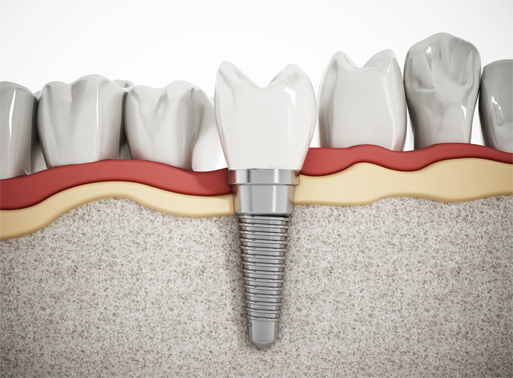
dental implant

Losing a tooth can significantly impact your oral health, appearance, and self-confidence. Fortunately, modern dentistry offers several solutions for replacing missing teeth, with dental implants and bridges being two of the most popular options. Understanding the differences between these treatments can help you make an informed decision about which is best for your needs.

Continue reading “Dental Implants vs. Bridges: A Guide | Fayetteville, GA”

A Key to Lifelong Oral Health: Routine Dental Visits | Fayetteville, GA

woman with dental anxiety

Routine dental visits are essential for maintaining optimal oral health and preventing dental problems before they become serious. Despite this, many people tend to neglect regular dental check-ups, often waiting until they experience pain or discomfort. Understanding the importance of routine dental visits can encourage individuals to prioritize these appointments, ensuring a healthy smile and overall well-being.

Continue reading “A Key to Lifelong Oral Health: Routine Dental Visits | Fayetteville, GA”

Pediatric Oral Care: A Parent’s Guide | Fayetteville, GA

mom and daughter brushing teeth

Helping children develop good oral care habits is crucial for their long-term dental health. Establishing these habits early can prevent cavities, gum disease, and other dental issues, setting the foundation for a lifetime of healthy smiles. This blog provides practical tips for parents to encourage and cultivate good oral care habits in their children.

Continue reading “Pediatric Oral Care: A Parent’s Guide | Fayetteville, GA”

Everything You Need To Know About Cavities | Fayetteville, GA

dental restoration

Cavities, also known as dental caries or tooth decay, are a widespread oral health issue affecting people of all ages. Understanding the causes, prevention methods, and treatment options for cavities is essential for maintaining a healthy smile. This blog explores the intricacies of cavities and provides practical advice on how to keep your teeth cavity-free.

Continue reading “Everything You Need To Know About Cavities | Fayetteville, GA”

Toothaches: Causes, Prevention, and Treatment | Fayetteville, GA

woman with dental anxiety

A toothache can be a nagging, debilitating pain that disrupts your daily life. While it’s a common complaint, understanding its causes, prevention, and treatment options can help manage and alleviate the discomfort. This blog delves into the intricacies of toothaches and offers practical advice on how to handle them.

Continue reading “Toothaches: Causes, Prevention, and Treatment | Fayetteville, GA”

Common Diseases and Oral Health | Fayetteville, GA

woman with dental anxiety

Oral health is often perceived as separate from overall health, but the condition of your mouth can have an impact on the rest of your body. The mouth serves as a gateway to your body, and maintaining oral hygiene is crucial in preventing a host of common diseases. This blog explores the intricate connection between oral health and systemic health, highlighting the importance of regular dental care.

Continue reading “Common Diseases and Oral Health | Fayetteville, GA”